June 12, 2026
Understanding what happens during a routine suspension repair can help vehicle owners better prepare for the service and stay informed throughout the process. This article outlines the typical stages involved in suspension repair, including diagnosis, repair planning, component replacement, alignment, and post-repair testing.
Suspension repair can feel technical and unfamiliar for many drivers, especially when ride quality, steering behavior, or tire wear begins to change. Knowing what to expect helps make the process clearer and easier to follow when working with a repair provider. A structured approach helps break the process into manageable stages that are easier to understand.
Whether the issue involves worn shocks, struts, or other suspension components, the process generally follows a structured sequence designed to identify the issue and restore proper vehicle performance through suspension repair.
Careful Initial Diagnosis and Inspection
Begin Diagnostic Evaluation
The initial diagnosis and inspection are essential steps in identifying suspension-related concerns. The process typically begins with a discussion of the symptoms the vehicle is experiencing, such as uneven ride quality, steering changes, or unusual noises that may indicate a need for suspension repair.
A thorough inspection follows, focusing on key suspension components such as shocks, struts, springs, and related hardware. This helps determine which parts may be contributing to the issue and whether additional areas of the suspension system require attention before suspension repair decisions are made.
A test drive may also be part of the diagnostic process. This allows the technician to observe how the vehicle responds under real driving conditions and compare those observations with reported symptoms in preparation for suspension repair.
According to HowStuffWorks, a 2025 automotive maintenance update notes that a car’s suspension typically needs some repairs or part replacements like shocks and struts at around 50,000 miles. This general timeframe reflects normal wear that can occur as a vehicle is driven over time and exposed to everyday road conditions. Components such as shocks and struts are designed to absorb impact and maintain stability, which means they gradually lose effectiveness with continued use. As these parts wear, drivers may notice changes in ride quality or handling that indicate the suspension system may need attention.
Clear Repair Options and Cost Evaluation
Identify Repair Solutions
After diagnosis, repair options are reviewed based on the condition of the suspension system. Different solutions may be considered depending on the severity of wear or damage identified during inspection related to suspension repair needs.
Repair recommendations typically focus on restoring safe and consistent vehicle handling. The selected approach depends on the specific components affected and the overall condition of the suspension system requiring suspension repair.
Clear communication during this stage helps ensure the repair plan aligns with the vehicle’s needs and the type of work required to restore proper performance through suspension repair. This includes taking time to review what was found during the inspection and how it relates to the overall condition of the suspension system. It also helps create a shared understanding of what work may be necessary and why it is being recommended. When expectations are clearly outlined, the process tends to move forward in a more organized and straightforward way.
Component Replacement and Repair Techniques
Replace Suspension Components
The suspension system consists of multiple interconnected components that work together to support stability, handling, and overall ride comfort. Because these parts operate continuously under load, several components are commonly addressed during suspension repair, including shocks, struts, springs, control arms, and bushings.
In many cases, shocks and struts are among the most frequently evaluated components, since they play a key role in managing vehicle movement and helping maintain control over a variety of road conditions. When these parts begin to wear, replacing them can help restore smoother handling and more consistent driving behavior across different surfaces during suspension repair.
Replacement components are selected to match the vehicle’s specifications so the suspension system can function as intended once suspension repair is completed. Each part is installed with the overall system in mind, helping ensure that performance is balanced and that the suspension operates as a coordinated unit rather than isolated components.
Wheel Alignment and Post-Repair Adjustment
Understand Wheel Alignment
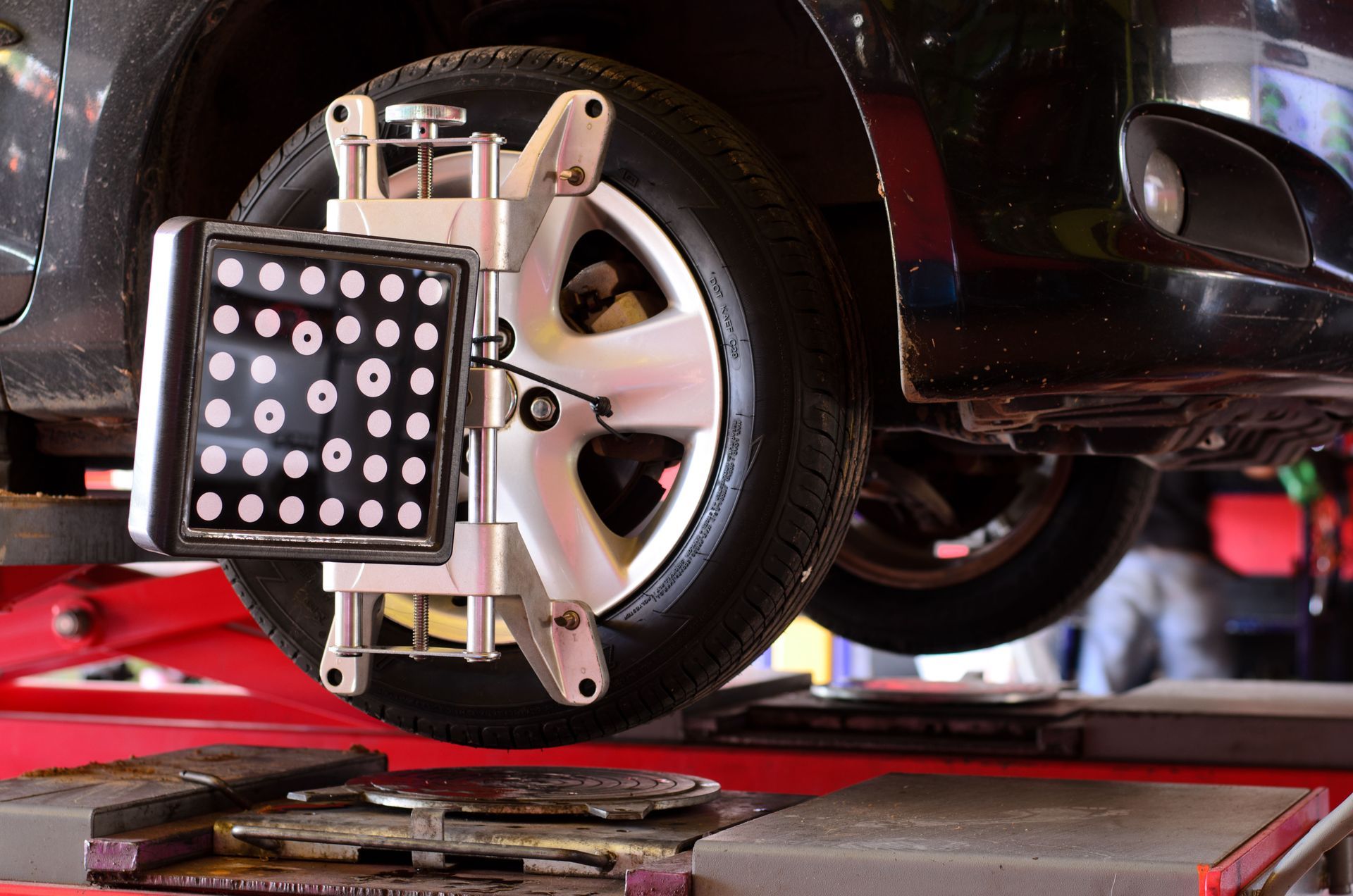
Wheel alignment is an important step following suspension repair, as it ensures the wheels are adjusted to the correct angles so the vehicle drives straight and maintains even tire wear over time. This adjustment helps bring the suspension and steering systems back into proper relationship after components have been replaced or adjusted during suspension repair.
Proper alignment also supports stable steering response and helps reduce uneven strain on both tires and suspension components. When suspension parts are replaced, alignment adjustments help ensure that all related systems are working together in a consistent and coordinated way following suspension repair.
Common signs that alignment may be off include the vehicle pulling to one side, uneven tire wear patterns, or steering wheel vibration during driving. Addressing alignment after suspension repair helps maintain steady handling and contributes to a more consistent driving feel overall.
Post-Repair Suspension Testing
Conduct Post-Repair Test Drive
After repairs are completed, a test drive is typically performed to confirm that the suspension system is operating correctly. This allows the vehicle’s handling, steering response, and ride quality to be evaluated after suspension repair is finished in real-world driving conditions.
During this stage, the vehicle is assessed for smooth operation, proper responsiveness, and the absence of unusual noises or vibrations. This helps confirm that the repaired components are functioning as intended and that the system is performing consistently following suspension repair.
This step also provides a final opportunity to observe how the vehicle behaves as a whole, rather than focusing on individual components in isolation after suspension repair.
Any remaining concerns identified during testing can be reviewed and addressed as part of the completion process, helping ensure that the final result aligns with the expected suspension repair outcome.
Routine Maintenance and Prevention
Schedule Regular Suspension Checks
Routine suspension inspections can help identify early signs of wear before they develop into larger issues. Regular checks support ongoing vehicle performance and help maintain stable handling over time, especially as road conditions and everyday use gradually affect components after suspension repair has been completed.
Suspension components such as shocks, struts, and related hardware naturally wear with use and road conditions. Monitoring vehicle behavior and addressing changes early can help reduce unnecessary strain on the system and support more consistent performance over time following suspension repair.
Driving habits can also impact suspension longevity. Avoiding rough road impacts when possible and maintaining balanced vehicle loading can help reduce stress on suspension components, while also contributing to more predictable handling during everyday driving conditions after suspension repair.
A routine suspension repair typically involves a series of key steps, starting with diagnosis and repair planning, followed by component replacement, alignment, and final testing. Understanding this process gives vehicle owners a clearer sense of how suspension concerns are identified and addressed from start to finish.
Each stage contributes to restoring proper ride quality, steering response, and overall vehicle performance. Services such as suspension and alignment work, along with brake, mechanical repair, and diagnostic services, are part of the automotive care offered through Sisk Alignment.
To learn more about suspension repair and related services, Sisk Alignment provides additional information for drivers looking to better understand their vehicle’s maintenance needs and keep their vehicle performing as intended.