May 5, 2026
Your vehicle's suspension system plays a crucial role in ride comfort, handling, and control. It helps absorb road impact, keeps your tires connected to the pavement, and supports safer steering and braking. Over time, shocks, struts, springs, tie rods, bushings, and other parts can wear down from daily driving, rough roads, potholes, heavy loads, and age.
Because suspension wear can happen gradually, many drivers do not notice a problem right away. A car may begin to feel rougher, pull slightly to one side, make new noises, or respond differently when braking. These changes may seem minor at first, but they can affect tire wear, steering response, stopping distance, and overall safety. With over 150,000 auto repair shops in the United States, according to Gitnux, vehicle maintenance remains a critical concern for car owners nationwide. This article will outline the key indicators that your suspension might require a tuneup.
1. Noticeable Decrease in Ride Comfort
Experiencing a Bumpy Ride
One of the first signs that your suspension might need attention is a noticeable decrease in ride comfort. If your vehicle once felt smooth but now feels rough, stiff, or jarring, the shocks or struts may no longer be absorbing road impact properly. You may feel every bump, crack, or uneven spot in the road more than you used to.
This change can be easy to overlook because it often develops slowly. However, worn suspension parts can place more stress on other systems and make each drive less comfortable. A rough ride may also signal that the suspension is no longer keeping the vehicle as stable as it should, especially when driving over uneven surfaces.
Increased Vibration at High Speeds
Increased vibration, especially at highway speeds, can also point to suspension trouble. While vibration may come from tire balance issues, wheel alignment problems, or worn tires, suspension components can also be part of the cause. If your vehicle shakes, shudders, or feels unstable at higher speeds, it should be inspected.
Suspension-related vibration can affect comfort and control. It may also lead to added wear on tires, steering parts, and other connected components. When vibration is paired with rough handling, strange noises, or uneven tire wear, the suspension system may be overdue for service.
Difficulty Handling Bumps and Potholes
Your suspension is designed to help your vehicle manage bumps, potholes, and rough pavement. If your car reacts harshly to these obstacles, bottoms out, bounces repeatedly, or feels unsettled after impact, the shocks or struts may be worn. These parts help control the movement of the vehicle body and tires, so reduced performance can affect both comfort and stability.
Sudden jolts can also contribute to wear on tires, wheels, and steering components. If your vehicle feels like it is no longer absorbing road impact as well as it once did, it is a good idea to schedule an inspection before the issue becomes more serious.
Unexpected Noises from Under the Car
Clunking, rattling, knocking, or squeaking sounds from beneath the vehicle can suggest worn suspension parts. These noises may happen when turning, braking, driving over bumps, or pulling into a driveway. Common sources include worn bushings, ball joints, control arms, sway bar links, shocks, or struts.
Odd sounds should not be ignored, especially if they become louder or more frequent. A small worn part can place extra strain on nearby components, causing more damage over time. Having the suspension checked early can help identify the source of the noise and prevent a more involved repair.
2. Uneven Tire Wear
Recognizing Tire Tread Patterns
Uneven tire wear is one of the clearest signs that something may be wrong with your vehicle’s alignment, steering, or suspension. Tires should wear evenly when the suspension keeps them properly positioned on the road. If one tire wears faster than the others, or if the inner or outer edges wear down more quickly, the suspension may not be holding the wheels at the correct angle.
Specific tread patterns can offer clues. Bald spots, edge wear, feathering, and cupping may all point to alignment or suspension problems. These patterns can reduce traction, shorten tire life, and make the vehicle harder to control in wet or uneven conditions.
Feathering, Cupping, and Flat Spots
Feathering happens when tire tread develops a sawtooth-like feel along the edges. Cupping appears as uneven dips or scalloped spots around the tire. Flat spots may make the tire look or feel lumpy. These wear patterns can happen when tires are not staying in consistent contact with the road.
Worn shocks, struts, or other suspension components may allow too much movement, which can cause the tires to bounce or scrub against the pavement. If you notice abnormal tire wear, replacing the tires alone may not solve the problem. The underlying suspension or alignment issue should be corrected first.
Checking Tire Pressure Consistently
While suspension problems can cause uneven tire wear, improper tire pressure can also contribute to similar issues. Underinflated tires may wear along the outer edges, while overinflated tires may wear more in the center. Checking tire pressure regularly helps rule out simple causes and gives mechanics a clearer picture of whether suspension issues are involved.
Maintaining the recommended tire pressure also supports better handling, fuel efficiency, and tire life. If proper tire pressure does not correct uneven wear, or if wear patterns return quickly after tire service, a suspension and alignment inspection may be needed.
3. Vehicle Drifting or Pulling
Causes of Vehicle Drifting
If your vehicle drifts or pulls to one side while driving, the suspension may be part of the problem. Pulling can come from uneven tire pressure, tire wear, wheel alignment issues, brake concerns, or worn suspension components. When the suspension cannot keep the wheels properly aligned, the vehicle may feel like it wants to move left or right even when you are steering straight.
This problem can be more noticeable at higher speeds or while braking. It may also make the vehicle feel less predictable in traffic, during lane changes, or on curved roads. If drifting becomes consistent, it is important to have the vehicle inspected.
Effects of Worn Suspension on Steering
Worn suspension parts can affect steering response. The wheel may feel loose, delayed, heavy, or less precise than usual. Parts such as tie rods, control arms, bushings, and ball joints help connect steering movement to the wheels. When these components wear down, the vehicle may not respond as cleanly to driver input.
Changes in steering should be taken seriously. A car that feels unstable or difficult to guide can become harder to control during sudden stops, sharp turns, or emergency maneuvers. Suspension and steering systems work together, so a full inspection can help determine where the issue begins.
Need for Wheel Alignment
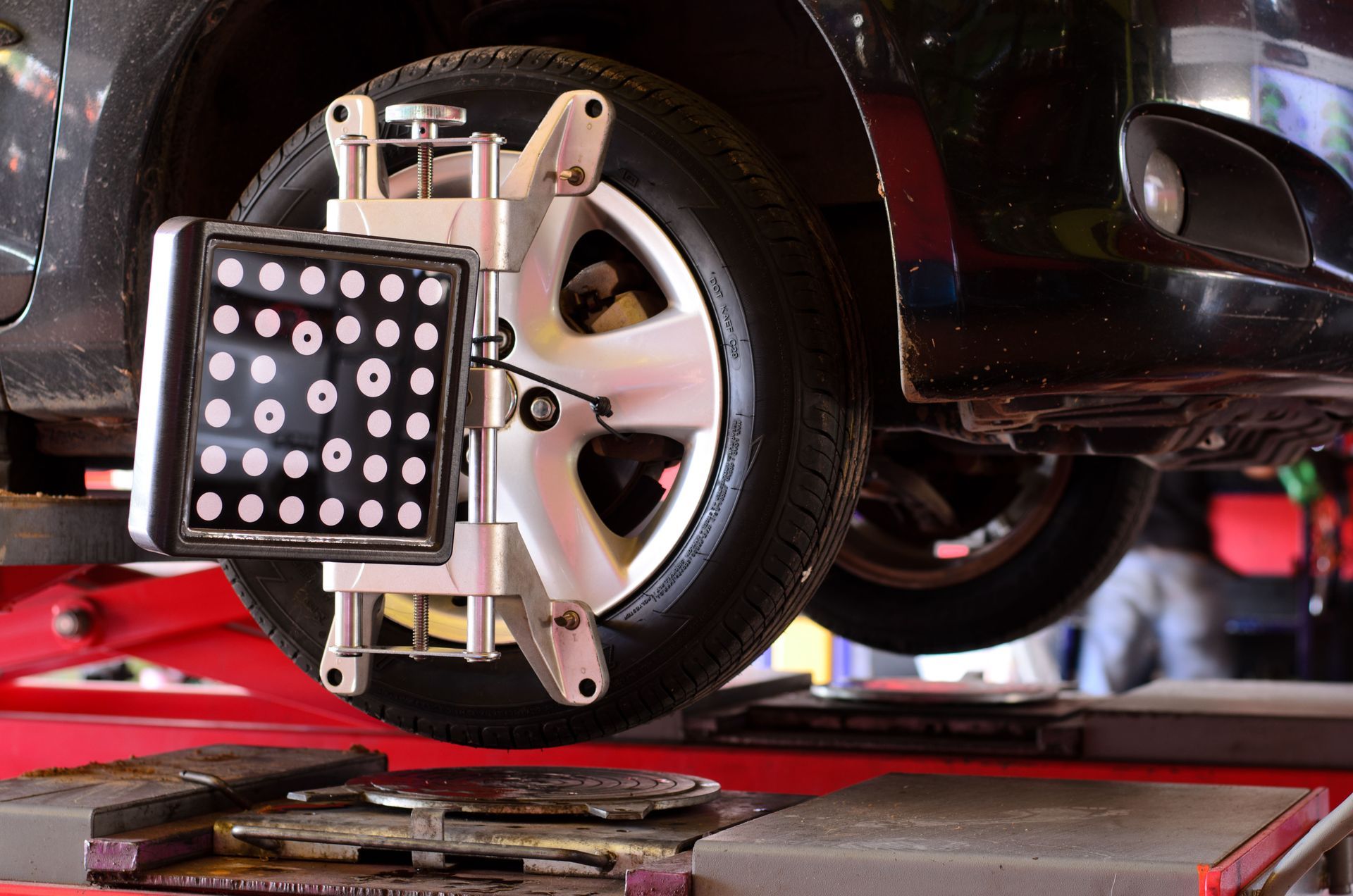
Wheel alignment is often recommended when a vehicle pulls, drifts, or shows uneven tire wear. Alignment adjusts the angles of the wheels so they meet the road correctly and match manufacturer specifications. Driving over potholes, hitting curbs, or traveling on rough roads can throw alignment off over time.
However, if suspension components are worn or damaged, an alignment may not hold for long. That is why mechanics often inspect the suspension before or during alignment service. Repairing worn parts first can help restore better steering, handling, and tire wear.
Recognizing the signs of suspension wear can help you protect your vehicle and improve your driving experience. A rough ride, uneven tire wear, pulling, frequent bottoming out, leaking shocks or struts, and nose diving during braking can all point to problems that deserve attention. Suspension issues often become more expensive when they are ignored, so it is better to schedule an inspection when changes first appear. With regular maintenance and timely repairs, your vehicle can continue to provide smoother handling, stronger stability, and safer performance on the road. Contact Sisk Alignment today to schedule your service.