May 8, 2026
Every time you slide behind the steering wheel and head out onto the road, you rely on a complex network of components to keep you safe. Among the most critical of these features is the system responsible for bringing your vehicle to a complete and controlled stop. Ensuring this vital safety mechanism remains in peak condition is not just about extending the lifespan of your vehicle; it is about guaranteeing the ongoing safety of yourself, your passengers, and everyone sharing the roadways. Over time, friction and thermal heat degrade the materials specifically designed to halt your forward momentum. However, the exact rate at which this deterioration occurs is influenced by how you operate and care for your car. By understanding the underlying causes of mechanical wear, you can implement proactive strategies to preserve your vehicle's stopping power. Deliberate changes to your commuting routine and maintenance schedule can significantly extend the longevity of these essential parts. It is incredibly vital to proactively monitor the health of your brakes. Many drivers unknowingly engage in behaviors that accelerate the degradation of their stopping mechanisms, leading to premature replacements.
Adapting Your Driving Habits
The single most significant factor actively influencing the ultimate longevity of your vehicle's stopping components is the specific manner in which you operate your vehicle. Aggressive driving behaviors, such as tailgating and rapid acceleration followed by abrupt stops, consistently generate immense amounts of damaging friction and extreme heat. This excessive thermal buildup rapidly deteriorates the specialized friction material engineered to safely bring your car to a secure halt. Instead of rushing toward glaring red lights or distant stop signs, practice the art of gentle coasting. Actively anticipating the flow of surrounding traffic allows you to lift your foot off the accelerator pedal early, utilizing aerodynamic drag to naturally reduce your speed before you even need to press the stopping pedal. Maintaining a safe following distance directly behind the vehicle in front of you also eliminates the frequent need for sudden, panic-induced stops that severely tax your hardware. When carefully navigating steep downhill grades, consider relying on engine compression by smoothly downshifting to a significantly lower gear to control your descent. Furthermore, driving at excessive speeds fundamentally alters the core physics of stopping safely. The total kinetic energy a moving vehicle possesses actively increases exponentially with speed. Therefore, adhering strictly to posted speed limits can drastically reduce the immense daily strain placed on your brakes, preserving their vital structural integrity.
Managing Your Cargo Load
Another crucial element in extending the operational life of your deceleration mechanisms involves being mindful of the overall weight your vehicle is consistently forced to carry. Every single additional piece of cargo adds substantial mass to your vehicle, which directly translates to a massively increased amount of raw kinetic energy that must be safely dissipated whenever it is finally time to slow down. Consistently hauling heavy loads or stubbornly keeping unnecessary items stored within your trunk space actively forces your vital stopping components to work significantly harder than they were originally designed to under standard operating conditions. If you regularly transport heavy construction equipment, luggage, or a full passenger cabin, the vital friction material will naturally wear down at an accelerated rate. To mitigate this extremely common issue, take the dedicated time to periodically clean out your vehicle's interior and promptly remove any non-essential items that might be adding harmful dead weight to your daily commute. For drivers who frequently tow massive trailers or regularly haul substantial cargo, explicitly ensuring the attached trailer is properly equipped with its own brakes is absolutely vital for safety and mechanical longevity. Unfairly relying solely on the primary towing vehicle's stopping power to safely halt the combined mass compromises structural safety. Distributing all necessary cargo weight smoothly reduces mechanical stress.
Prioritizing Preventative Maintenance
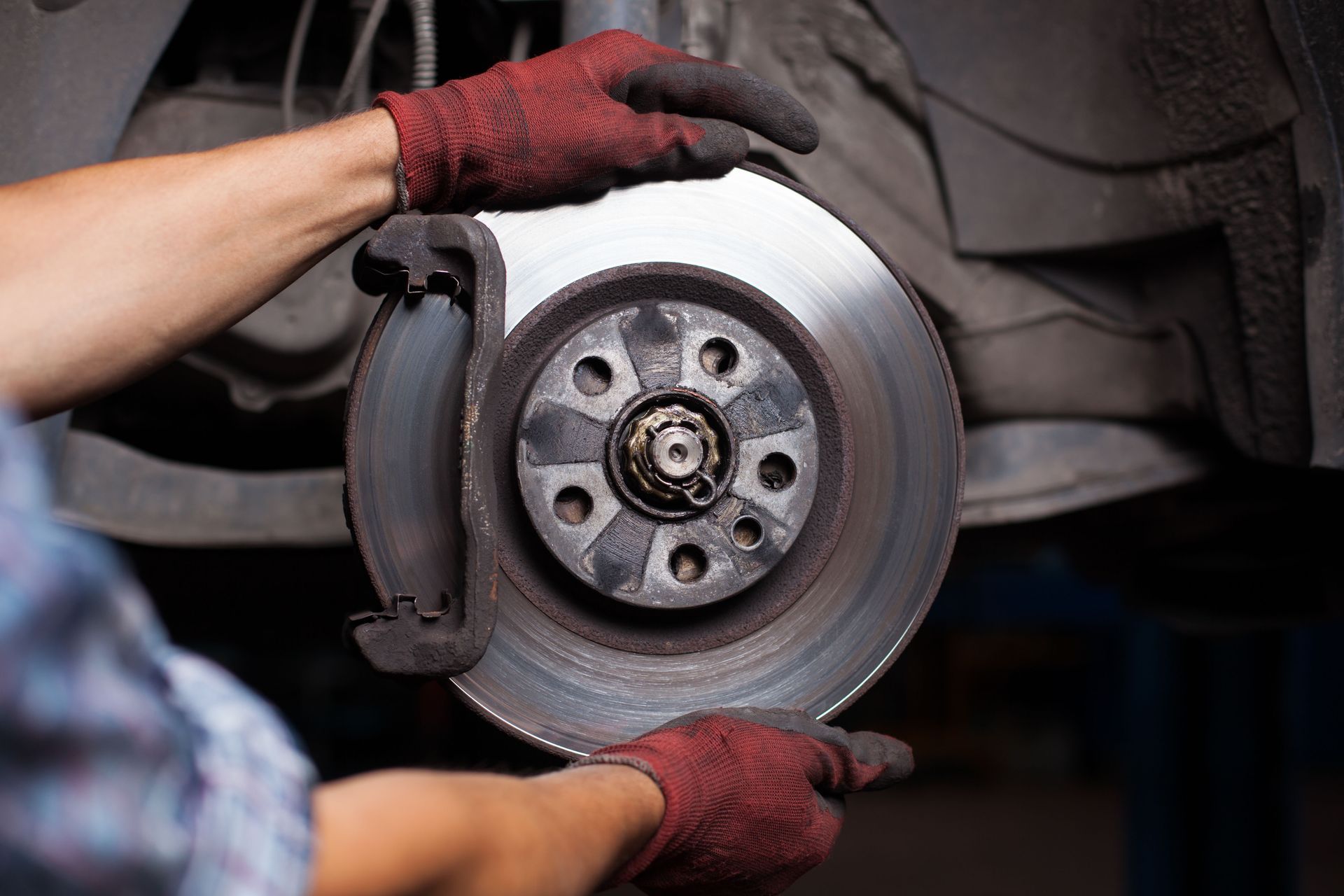
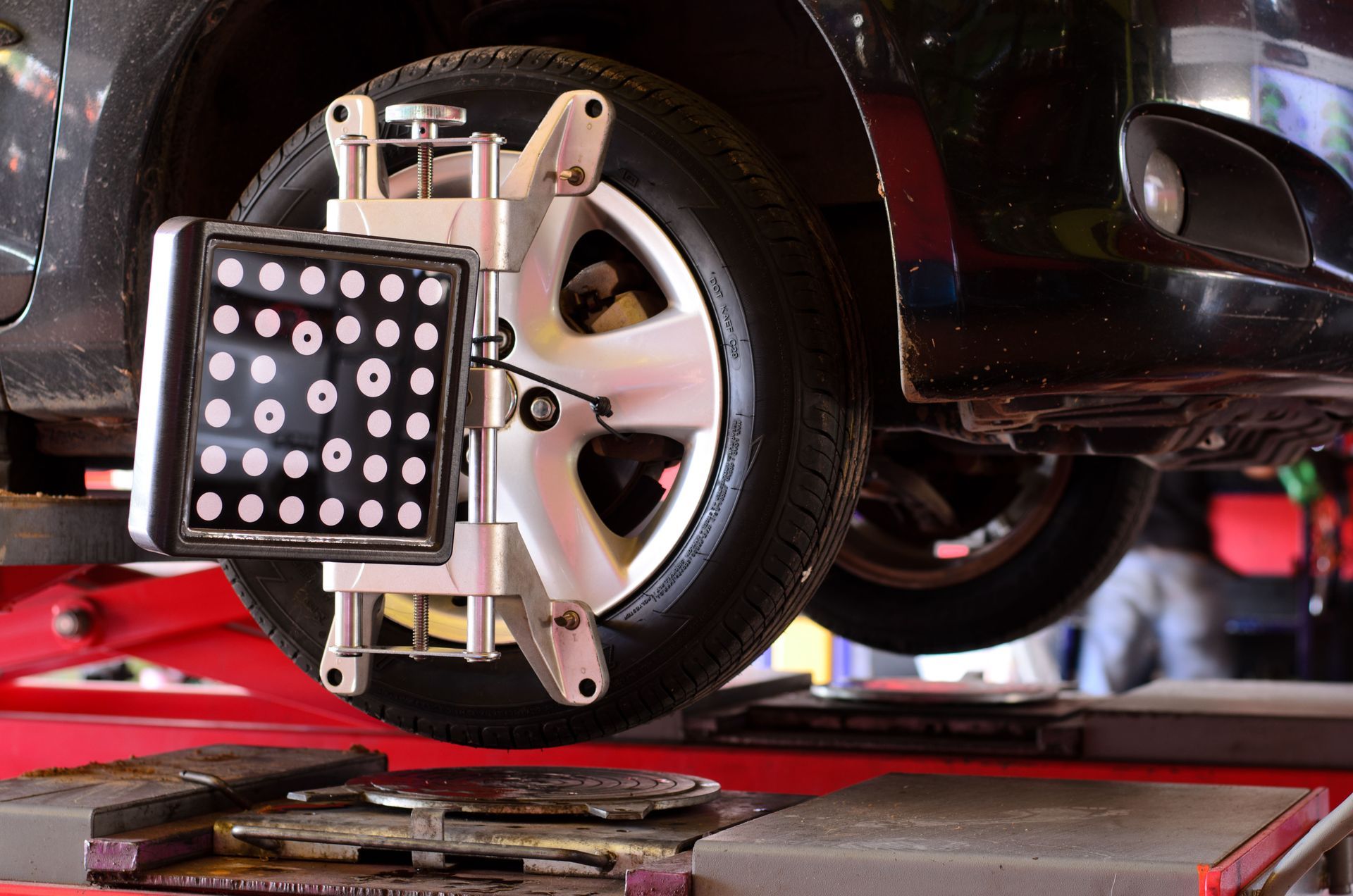
Routine, scheduled inspections and proactive upkeep are foundational pillars to effectively maximizing the operational lifespan of any automotive system, and the critical mechanisms that safely bring your car to a halt are no exception. Neglecting vital maintenance tasks allows seemingly minor issues to cascade into severe mechanical failures. According to Family Handyman, your brakes will typically need to be replaced somewhere between every 30,000 to 70,000 miles. To actively ensure you successfully achieve the upper end of that broad mileage range, consistently flushing the internal hydraulic fluid on a regular basis is absolutely imperative. Over time, this fluid absorbs moisture straight from the atmosphere, which dangerously lowers its functional boiling point and directly causes insidious internal corrosion within the sealed hydraulic lines. Contaminated fluid severely diminishes the overall effectiveness of the entire system and can easily lead to highly uneven wear directly on the friction pads. Additionally, continuously ignoring the basic wheel alignment of your vehicle can inadvertently cause premature component degradation. When a vehicle's wheels are misaligned, the entire vehicle may subtly pull to one side, causing the stopping components located on that side to bear a disproportionate amount of the workload. Regularly having a professional thoroughly inspect the remaining thickness of the vital friction material and the integrity of the hydraulic lines actively guarantees that all parts are functioning harmoniously. Catching uneven wear early effectively prevents your brakes from degrading prematurely.
Understanding Environmental Impacts
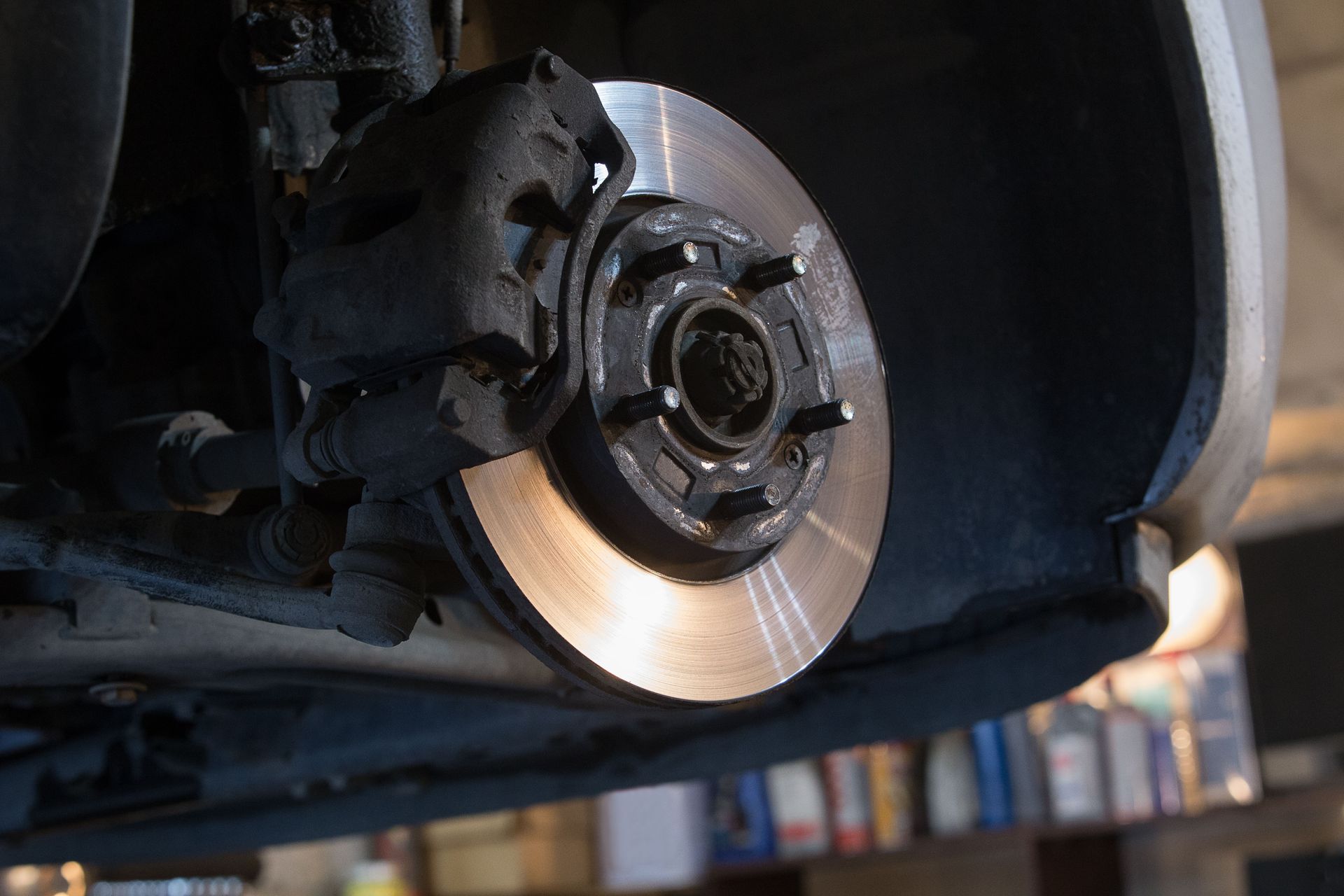
The specific geographical environment in which you typically operate your personal vehicle also plays a substantial role in determining exactly how long your brakes will ultimately last. Drivers who constantly navigate heavily congested urban environments characterized by unrelenting start-and-stop traffic patterns will naturally wear through their essential friction materials vastly faster than those fortunate individuals who primarily travel on wide, open interstate highways. The continuous cycle of rapidly accelerating and then immediately halting generates absolutely relentless heat and actively prevents the entire system from properly cooling down between consecutive applications. Similarly, frequently traversing steep mountainous terrain actively demands the constant engagement of the vehicle's deceleration mechanisms to safely control downhill speeds, heavily subjecting the vital mechanical parts to extreme thermal stress. While you certainly cannot always change exactly where you happen to live or commute, deeply understanding these specific environmental stressors allows you to adapt your driving style accordingly. For instance, when stuck in heavy city traffic, simply allowing a significantly larger, safer gap to naturally form between you and the car positioned ahead can help you entirely avoid constantly riding the stopping pedal. Furthermore, harsh environmental elements like heavy road salt, excessive moisture, and deep puddles can easily cause rapid, destructive oxidation and severe rust accumulation directly on the bare metal rotors. Consistently parking your vehicle in a dry garage heavily prevents this destructive corrosion.
Actively protecting the complex components that safely allow your personal vehicle to stop securely requires a dedicated combination of highly conscious driving habits, careful weight management, deep environmental awareness, and a steadfast dedication to routine maintenance. By consistently avoiding highly aggressive deceleration, strictly minimizing unnecessary heavy cargo, and meticulously keeping the internal hydraulic systems pristine, you empower your vehicle to perform reliably for a much longer duration. Consistent care not only guarantees a significantly smoother daily ride but also consistently provides immense peace of mind whenever you merge onto a busy highway or carefully navigate a crowded street. When you actively choose to firmly prioritize the overall health of these vital mechanical mechanisms, you are making a smart investment in the long-term safety of your entire automobile while doing everything in your power to truly maximize the lifespan of your brakes. If you are ready to effectively optimize your vehicle's stopping power, contact us at Sisk Alignment today. We will help you thoroughly maintain your vehicle so you can confidently conquer the open road.