September 23, 2026
Every driver behind the wheel brings a unique combination of routes, vehicle weight, and personal braking tendencies to the open road. Because these variables directly dictate how quickly your stopping system wears down, a one-size-fits-all approach to vehicle maintenance simply falls short. Customizing your maintenance routine based on your actual everyday environment is the key to ensuring maximum safety and long-term cost efficiency.
Understanding How Daily Commutes Impact Braking Components
The exact environment you navigate on your daily commute plays a decisive role in the longevity of your stopping power. Urban drivers who constantly navigate stop-and-go traffic, dense intersections, and frequent pedestrian crossings subject their friction materials to immense, continuous heat buildup. According to reporting from Cars.com, navigating congested city streets or heavy rush hour traffic can limit a vehicle's brake lifespan to anywhere between 15,000 and 30,000 miles, whereas open highway cruising can stretch that same operational life all the way up to 70,000 miles. This dramatic difference stems from simple mechanical physics: highway driving allows heat to dissipate quickly from rotors, while urban driving forces the pads to engage repeatedly under high ambient temperatures.
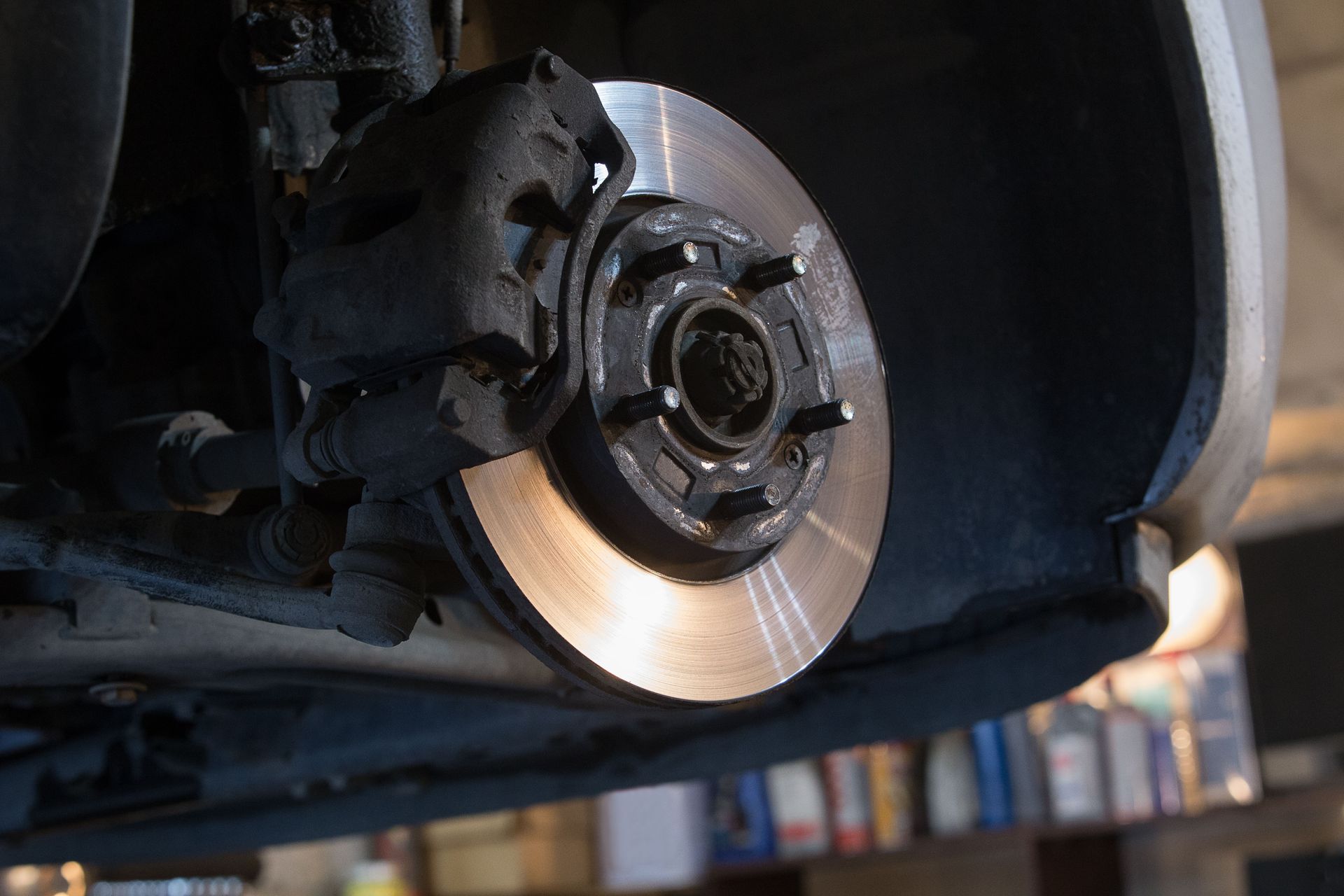
For city commuters, scheduling frequent visual checks is essential to catching pad thinning before it damages delicate rotors. You should request a professional brake repair assessment regularly, such as during every routine oil change to monitor surface wear. Commuters who face heavy stop-and-go conditions daily should also consider upgrading to advanced ceramic friction compounds, which generate less dust and handle repetitive thermal cycling far better than entry-level organic components.
Navigating Highway Demands and High-Speed Thermal Stress
Cruising down long expanses of interstate might extend the total mileage between service intervals, but highway driving presents its own distinct challenges to your vehicle's hydraulic stopping components. Stopping a heavy automobile moving at high speeds requires significantly more kinetic energy conversion than bringing a car to a halt from a slow crawl. When a driver slams on the pedal at elevated speeds, the extreme thermal energy generated can glaze over the pad material, reducing friction efficiency and hardening the surface prematurely. Furthermore, long periods between applications mean that moisture can settle into caliper pistons or surface rust can form on steel rotors, particularly in humid or coastal climates.
Highway commuters need to focus heavily on the health of their hydraulic system rather than just measuring pad thickness. Fluid absorbs ambient moisture over time through rubber hoses, which drastically lowers its boiling point and leads to a spongy pedal feel during sudden highway stops. Regular fluid flushes every two years ensure that high-speed emergency stops remain crisp and reliable. Combining this fluid care with occasional professional brake repair services guarantees that rust buildup is removed from hardware tracks before sticking calipers cause uneven pad wear.
Tackling Mountainous Terrain and Steep Downhill Slopes
Navigating steep mountain passes or rolling hilly terrain places extraordinary demands on every element of your braking system. Drivers in these regions often rely on continuous pressure to control their descent, a practice commonly referred to as riding the pedal. This prolonged application creates severe thermal stress that can easily boil hydraulic fluid, leading to total pedal fade where the vehicle fails to respond effectively. Mountainous driving can also cause warping in cast-iron rotors, resulting in severe steering wheel vibrations every time you attempt to slow down.
Drivers frequenting elevation changes must adapt their driving mechanics alongside their maintenance schedules. Utilizing lower engine gears to engine-brake down long declines significantly reduces the kinetic workload transferred to your friction pads. Additionally, scheduling a specialized brake repair before entering winter or embarking on heavy mountain trips ensures your friction pads have sufficient thickness to absorb intense heat. Heavy-duty semi-metallic friction materials are often recommended for mountain drivers because their high metallic content dissipates extreme heat far more effectively than softer ceramic alternatives.
Managing Heavy Loads and Frequent Towing Requirements
Using your vehicle to haul heavy equipment, tow trailers, or transport full passenger loads dramatically multiplies the force required to slow down. The additional gross vehicle weight shifts the kinetic balance, placing massive strain on both front and rear axles. Vehicles used for commercial work or family recreational towing undergo rapid pad depletion and frequently suffer from damaged hardware, stretched cables, and overheating wheel hubs. Without proactive attention, heavy towing can cause severe mechanical failure across the entire assembly.
If you regularly pull heavy loads, tailored maintenance means inspecting your equipment far more frequently than standard vehicle manuals recommend. Upgrading to heavy-duty truck pads paired with slotted or drilled rotors provides superior surface ventilation, allowing extreme heat to vent away from the braking boundary. Timely brake repair intervention for heavy haulers also involves thoroughly checking trailer brake controllers, emergency breakaway systems, and rear pad wear. Neglecting the secondary rear pads on heavy-duty vehicles can lead to uneven stopping distance and dangerous jackknifing hazards during sudden slowdowns.
Adapting to Aggressive Driving and Sudden Stopping Styles
Personal habits behind the wheel influence component degradation just as much as physical driving locations. Drivers who accelerate quickly up to red lights and mash the pedal at the last second cause aggressive force transfers that rapidly strip material off the pads. Rapid heat spikes caused by hard stopping can harden friction material, crack rotor surfaces, and strain suspension bushings. Over time, aggressive stopping habits result in high maintenance bills, annoying squealing sounds, and compromised safety margins during true emergency situations.
Adopting smooth driving habits is the fastest way to save money on vehicle maintenance, but adjusting your service plan is equally critical if your driving style remains spirited. Drivers with aggressive habits require high-performance friction components designed to withstand higher operating temperatures without breaking down. Engaging a trusted mechanic for routine brake repair ensures that cracked or heat-checked rotors are turned or replaced before they fracture entirely. Checking caliper slide pins for proper lubrication is also vital, as hard stops can easily twist unlubricated slider assemblies out of alignment.
Identifying Early Warning Signs Specific to Your Habits
Recognizing the early warning signals of component breakdown allows you to schedule maintenance before minor wear turns into costly mechanical damage. City drivers should stay highly attentive to high-pitched squealing sounds, which usually indicate that built-in mechanical wear indicators are touching the rotor face. Mountain and highway drivers need to focus on tactile feedback through the pedal and steering wheel, as pulsating or shuddering during high-speed deceleration signals uneven rotor wear or severe thermal warping.
Ignoring these subtle warnings always leads to severe metal-on-metal contact, which destroys the rotors and can seize the caliper pistons entirely. A persistent burning odor after descending a hill or navigating city traffic is a clear warning that your friction materials are overheating and requiring immediate cooling. Whenever you experience a soft pedal that sinks all the way to the floorboard, you must seek professional brake repair immediately, as this symptom points to air in the lines, fluid loss, or catastrophic hydraulic failure.
Establishing a Tailored Routine Maintenance Schedule
Creating a custom service plan means aligning inspections with your real-world usage rather than relying solely on generic mileage markers in your owner manual. Standard vehicle manuals often suggest broad inspection intervals that fail to account for severe duty conditions like daily city gridlock or heavy mountain towing. By discussing your specific routes, driving style, and vehicle load with a certified technician, you can establish an optimized maintenance routine that saves money over the lifespan of your automobile.
A comprehensive, habit-focused maintenance strategy should always combine visual thickness checks, hardware lubrication, fluid testing, and rotor thickness measurements. Replacing worn hardware clips and flushing old fluid during pad replacements prevents unexpected component failures down the road. Committing to a personalized service routine guarantees that your vehicle remains safe, responsive, and ready to handle whatever unique challenges your daily drive presents.
Recognizing how your environment affects component wear allows you to take complete control of your vehicle's safety. Tailoring your service intervals to your daily routes prevents costly emergency breakdowns and extends component life. Schedule a professional inspection today to ensure your vehicle is perfectly prepared for your specific driving habits. For more on what brake repair maintenance suits your driving habits, please contact Sisk Alignment today.